 Back to blog
Full Dentures in Kingswood and Penrith
By Maharjan's Local Dentures6 min read
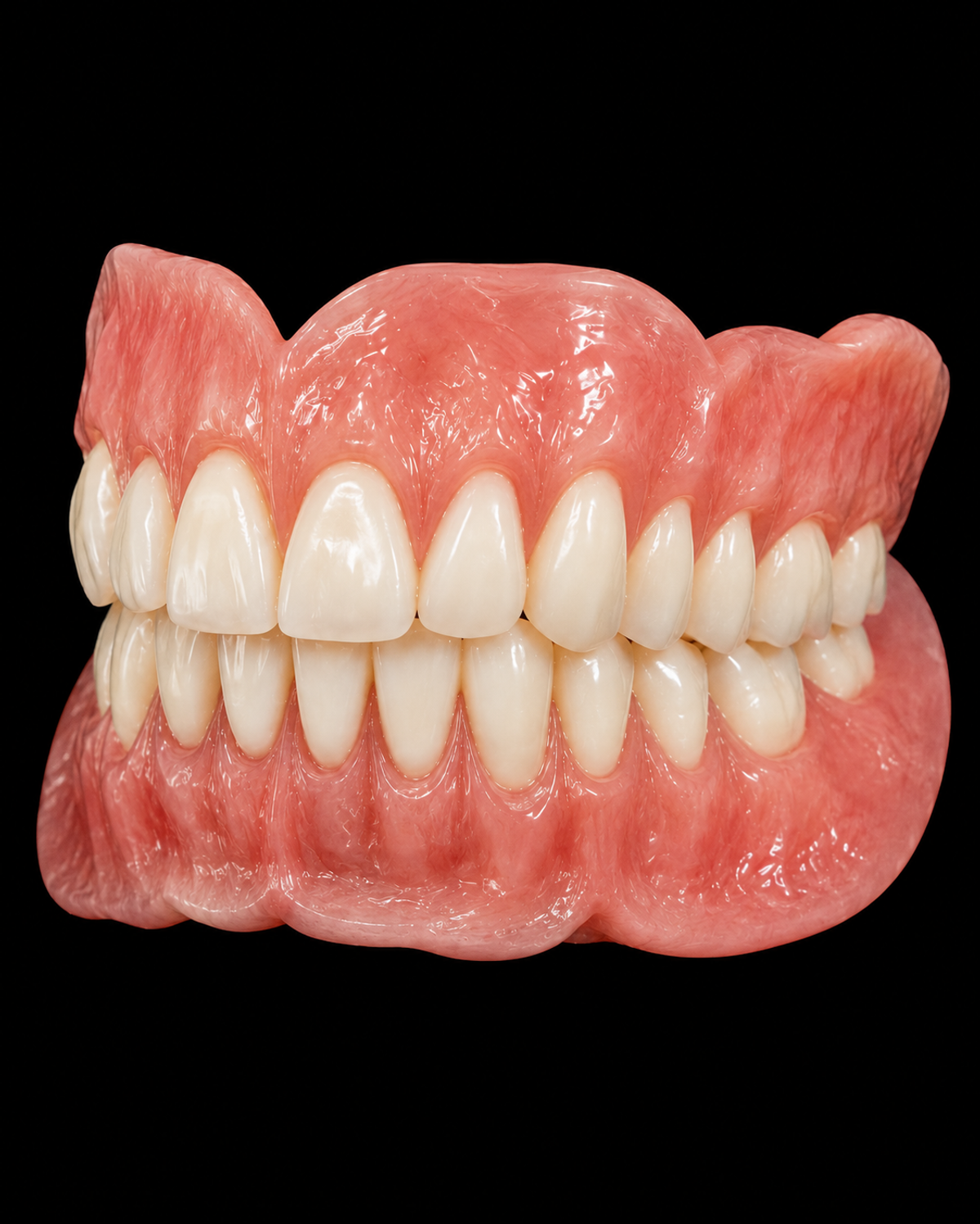
For patients missing a full arch of teeth, custom full dentures provide a reliable dental restoration to restore function, appearance, and confidence. Serving residents in Kingswood and Penrith, local dental care professionals deliver complete denture options tailored to fit comfortably and match your natural smile.
Full Dentures in Kingswood and Penrith
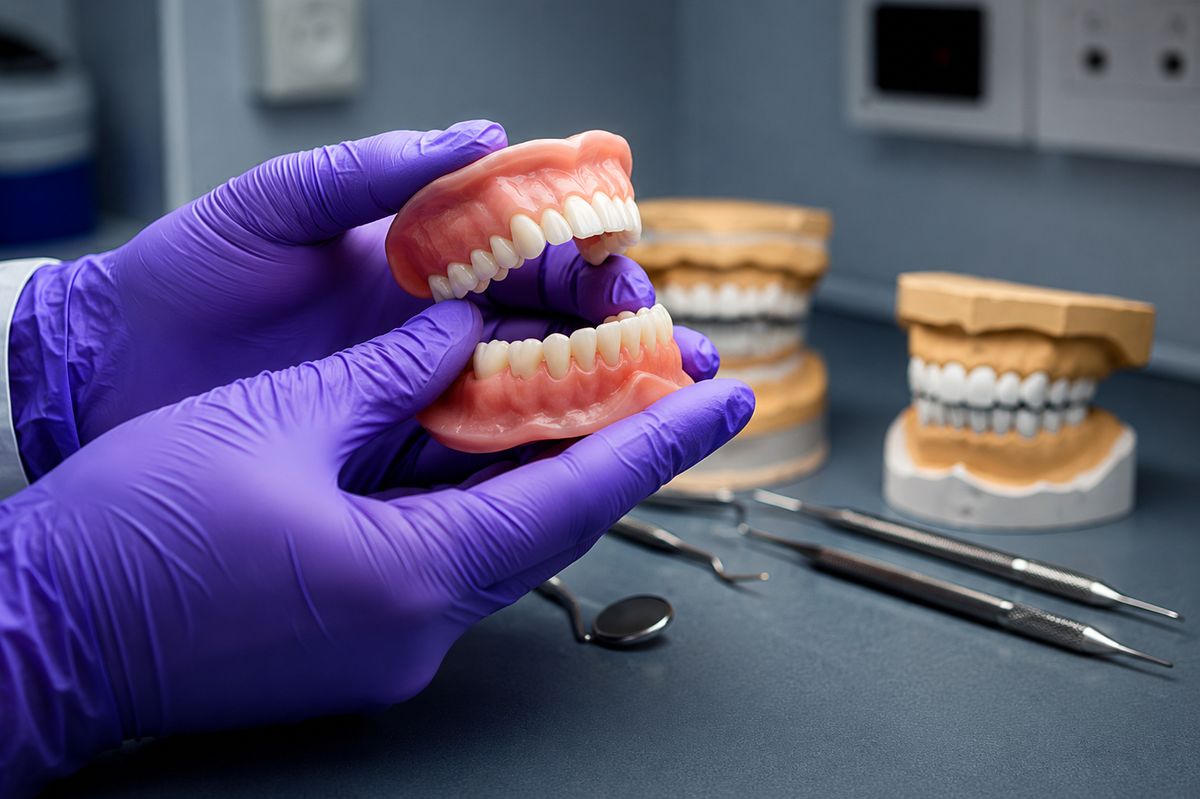
Losing all your natural teeth can affect how you eat, speak, and feel about your smile. Full dentures offer a practical solution for people who have lost all their teeth in the upper jaw, lower jaw, or both. At Local Dentures Australia, patients in Kingswood, Penrith, and surrounding areas can explore denture options designed to restore everyday function, support facial appearance, and improve comfort.
Whether you need your first set of complete dentures or want to replace an existing set that no longer fits properly, understanding your treatment options can help you make an informed decision about your oral health.
What Are Full Dentures?
Full dentures, also known as complete dentures, are removable dental prostheses designed to replace all natural teeth in the upper jaw, lower jaw, or both. They are made to fit the shape of your mouth and help restore functions such as chewing and speaking.
Unlike partial dentures, which replace some missing teeth while other natural teeth remain, full dentures are used when no natural teeth remain in the relevant dental arch.
Well-designed full dentures can help restore the appearance of your smile, support your lips and cheeks, and make everyday activities more comfortable.
If you are considering this treatment, explore our full dentures service to learn more about complete denture options.
Who May Need Full Dentures?
Full dentures may be suitable for people who have lost all their teeth in the upper or lower jaw because of extensive tooth decay, advanced gum disease, injury, or other dental conditions.
You may wish to consider full dentures if:
- You have lost all the teeth in your upper or lower jaw.
- Your existing dentures are worn, damaged, or uncomfortable.
- Your current dentures no longer fit securely.
- You have difficulty chewing because of missing teeth.
- You want to restore the appearance of your smile after complete tooth loss.
A professional assessment can help determine whether new full dentures, adjustments to existing dentures, or another treatment option would best suit your needs.
If you are unsure whether complete or partial dentures are appropriate for your situation, read our guide to the difference between complete and partial dentures.
Benefits of Custom Full Dentures
Custom full dentures are designed to suit the shape of your mouth and your individual requirements. Although the results depend on your oral anatomy and the quality of the fit, well-made dentures can offer several benefits.
Improved Chewing Function
Full dentures can help you eat a wider variety of foods more comfortably. Getting used to a new set may take time, so starting with softer foods and gradually introducing firmer textures can help you adjust.
A Natural-Looking Smile
The appearance of your dentures can be tailored to complement your facial features. Tooth shape, size, colour, and arrangement all influence the final result and can help create a natural-looking smile.
Better Speech and Communication
Missing teeth can affect how you pronounce certain words. Full dentures can help restore the oral structures needed for clearer speech, although some practice may be necessary while adjusting to a new set.
Support for Facial Appearance
Tooth loss can contribute to changes in facial appearance over time. Full dentures can provide support for your lips and cheeks, helping reduce the sunken appearance associated with missing teeth.
Greater Everyday Confidence
Comfortable, well-fitting dentures can make eating, speaking, and socialising feel easier. Regular reviews and appropriate adjustments can help maintain comfort as your mouth changes.
Types of Full Dentures
The most appropriate denture option depends on your oral health, whether any remaining teeth need to be removed, and your individual treatment requirements.
Conventional Full Dentures
Conventional full dentures are generally made after the remaining teeth have been removed and the gum tissues have had time to heal. They are designed to replace all the teeth in the affected dental arch.
Immediate Full Dentures
Immediate dentures are prepared before the remaining teeth are removed and inserted soon after extraction. They provide replacement teeth during the initial healing period.
However, the gums and jaw can change shape as healing progresses. This may mean adjustments, relining, or a replacement set is required.
Implant-Retained Dentures
In some cases, implant-retained dentures may be an alternative to conventional removable dentures. These use dental implants to help support or stabilise a denture.
Suitability depends on factors such as jawbone condition, general oral health, treatment requirements, and budget. A dental professional can explain whether this option is appropriate.
You can also explore implant-retained dentures to learn more about this treatment option.
The Process of Getting Full Dentures
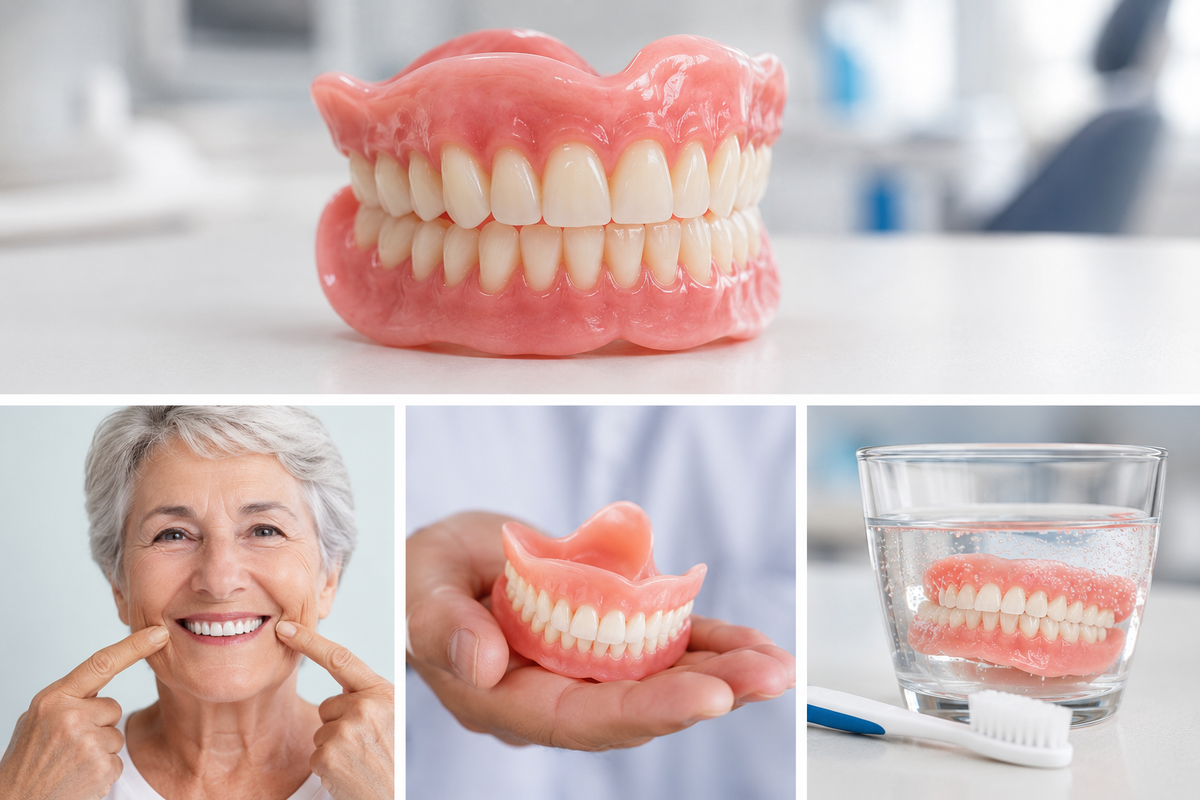
Understanding the denture process can help you feel more prepared when considering treatment.
1. Initial Consultation
Your denture provider assesses your mouth, discusses your concerns, and explains the available options. This helps establish a treatment plan based on your oral condition and expectations.
2. Impressions and Measurements
Impressions or digital scans, where available, may be taken to capture the shape of your mouth. These measurements help guide the design and fit of your dentures.
3. Denture Design and Fabrication
Your dentures are created according to the agreed treatment plan. Tooth arrangement, colour, shape, and the anatomy of your mouth help determine the final design.
4. Fitting and Adjustments
Once your dentures are ready, their fit and comfort are assessed. Adjustments may be necessary to address pressure points, irritation, or unexpected movement.
5. Follow-Up Care
Follow-up appointments allow your provider to review the fit and address any concerns as you become accustomed to wearing your dentures.
The number of appointments and the overall treatment timeline vary depending on your circumstances and whether additional procedures are required.
Full Dentures in Kingswood and Penrith: What to Consider
If you are looking for full dentures in Kingswood or Penrith, choosing an appropriate solution involves more than appearance alone. Comfort, stability, maintenance, and ongoing support are also important considerations.
Before proceeding, consider the following factors.
- Fit and comfort: Dentures should be assessed for pressure points, irritation, and stability.
- Appearance: Tooth shape, colour, and arrangement can influence how natural your smile looks.
- Daily function: Your dentures should support eating and speaking as comfortably as possible.
- Maintenance: Daily cleaning and appropriate storage help keep dentures in good condition.
- Ongoing adjustments: Changes in your gums and jaw can affect how dentures fit over time.
- Treatment costs: Ask about the total cost, including fitting, adjustments, and any additional procedures.
Local Dentures Australia serves patients seeking denture care in Kingswood and Penrith. You can visit the Local Dentures Australia website to learn more about the practice and available services.
How to Care for Your Full Dentures
Good denture care helps maintain cleanliness, comfort, and the condition of your dental appliance.
Follow these general denture-care practices:
- Clean your dentures daily using a denture brush and a suitable denture-cleaning product.
- Handle dentures carefully over a folded towel or a basin of water to reduce the risk of breakage if dropped.
- Rinse your dentures after meals when practical.
- Remove your dentures at night unless your treating professional advises otherwise.
- Store them as directed to prevent them from drying out or becoming damaged.
- Keep your gums, tongue, and the roof of your mouth clean.
- Avoid using hot or boiling water, which can distort dentures.
Maintaining good oral hygiene is important even when you no longer have natural teeth. Read our guide to oral hygiene, why it matters, and how to practise it well for additional information.
If your dentures become loose, cracked, or uncomfortable, seek professional advice instead of attempting repairs yourself.
When Should You Have Your Dentures Checked?
Even if you wear full dentures and no longer have natural teeth, regular oral health assessments remain important. They allow your provider to check your gums and other oral tissues, assess the fit of your dentures, and identify potential problems.
Consider arranging an appointment if you notice any of the following:
Loose or Slipping Dentures
Dentures that move while eating or speaking may no longer fit properly. Changes in your gums and jawbone can affect the shape of your mouth over time.
Sore Spots or Persistent Irritation
Redness, discomfort, or sores may indicate that your dentures are creating pressure points or that another oral health issue needs attention.
Cracks, Chips, or Visible Wear
Damaged dentures can affect comfort and function. Professional assessment can help determine whether repair or replacement is appropriate.
Changes in Your Bite
If your dentures no longer feel comfortable when your jaws come together, an assessment may help identify the cause.
Unusual Changes Inside Your Mouth
Persistent ulcers, unusual lumps, or other changes in your mouth should be assessed by an appropriate healthcare professional.
If your dentures are damaged or uncomfortable, learn more about denture repairs in Kingswood.
There is no single review schedule suitable for everyone. Your provider can recommend how frequently your dentures and oral tissues should be checked based on your individual needs.
How Long Do Full Dentures Last?
The lifespan of full dentures varies depending on the materials used, frequency of use, maintenance, and natural changes in the shape of your gums and jaw.
Even when dentures appear to be in good condition, gradual changes in your mouth can affect their fit. Regular assessments help identify when adjustments, relining, or replacement may be appropriate.
Avoid continuing to wear dentures that cause persistent pain or sores without seeking professional advice.
How Much Do Full Dentures Cost in Kingswood and Penrith?
The cost of full dentures depends on several factors, including the materials used, the complexity of your case, the number of dental arches being replaced, and whether additional procedures or follow-up adjustments are required.
Immediate dentures and conventional dentures may also involve different treatment stages and associated costs.
When comparing denture options, ask what is included in the quoted price. This may include consultations, impressions, fabrication, fitting appointments, adjustments, and aftercare, depending on the provider's arrangements.
For more information about budgeting for treatment, read our guide to affordable dentures in Kingswood and Penrith.
For an individual estimate, contact Local Dentures Australia to discuss your requirements and confirm the available options, applicable fees, and any potential additional costs.
Frequently Asked Questions About Full Dentures
1. What Is the Difference Between Full and Partial Dentures?
Full dentures replace all teeth in the upper or lower jaw, while partial dentures replace some missing teeth when other natural teeth remain.
2. Can I Get Full Dentures for Just My Upper or Lower Jaw?
Yes. Full dentures can replace all teeth in the upper jaw, lower jaw, or both, depending on your needs.
3. Will Full Dentures Feel Comfortable?
New dentures can take time to get used to. Some initial changes in speech and eating are common, and adjustments may be needed to improve comfort. Persistent pain or sores should be assessed professionally.
4. Can Full Dentures Become Loose Over Time?
Yes. Changes in your gums and jawbone can affect how dentures fit. A professional may recommend an adjustment, reline, or replacement depending on the condition of your dentures and mouth.
5. Do I Still Need Oral Health Check-Ups if I Wear Full Dentures?
Yes. Regular assessments help monitor your gums and other oral tissues, check denture fit, and identify potential problems early.
6. How Should I Clean My Full Dentures?
Clean your dentures daily with a suitable denture brush and cleaning product. Keep your mouth clean as well, and follow your provider's instructions for overnight removal and storage.
7. Where Can I Enquire About Full Dentures in Kingswood and Penrith?
You can visit Local Dentures Australia to learn more about the practice and contact the team to enquire about denture services, appointment availability, and treatment options for Kingswood, Penrith, and surrounding areas.
Restore Your Smile with Full Dentures in Kingswood and Penrith
Missing teeth can affect eating, speaking, and confidence, but full dentures may help restore everyday function and the appearance of your smile.
If you are considering full dentures or your existing dentures no longer fit comfortably, seeking professional advice is an important first step. Understanding your options, maintaining your dentures, and arranging regular assessments can help support long-term comfort and oral health.
If you are looking for full dentures in Kingswood or Penrith, contact Local Dentures Australia to discuss your requirements, learn about available treatment options, and arrange an appointment.