 Back to blog
Oral Hygiene: What It Is, Why It Matters, and How to Do It Well
By Maharjan's Local Dentures6 min read
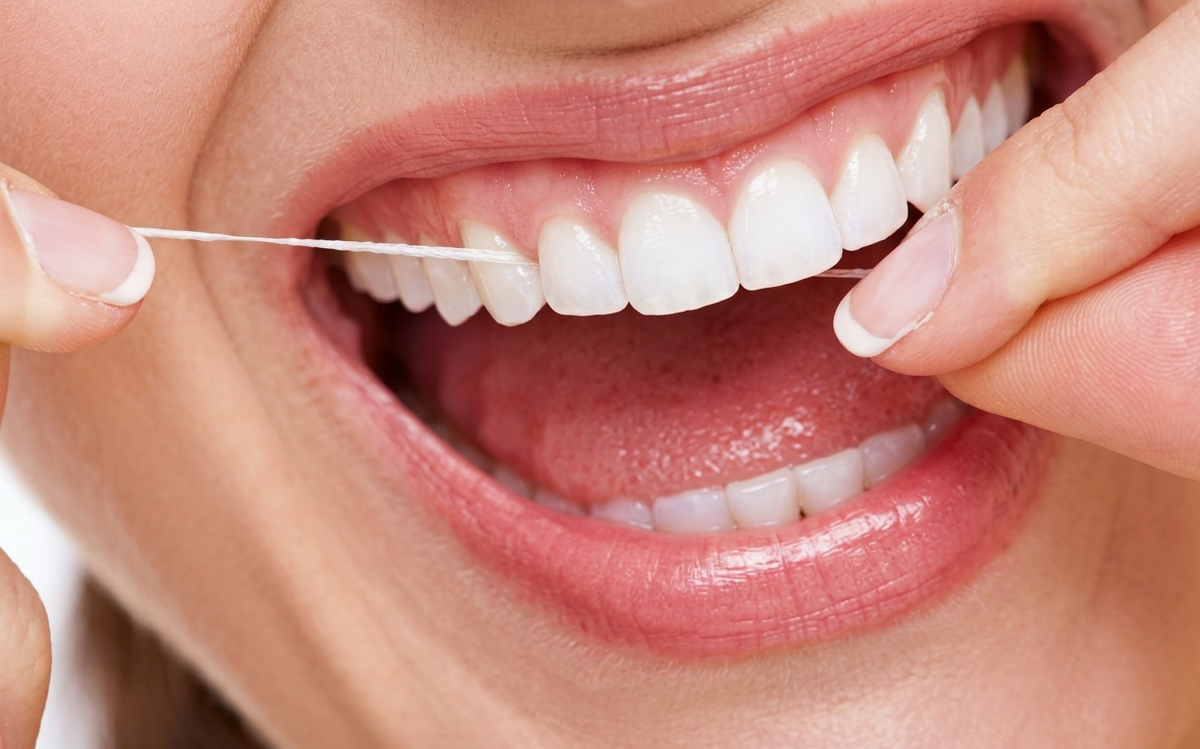
Good Oral Hygiene is the practice that you perform to keep your mouth, gums, teeth and tongue free from debris, cleaned and healthy.
The basic premise of Good Oral Hygiene is an extremely vital aspect of maintaining good overall health. In addition to being tied to physical appearance (having white, bright teeth), there is much more to the benefits of practicing good oral hygiene than just looking good; maintaining good oral hygiene is an important aspect in preventing tooth decay, gum disease, bad breath and other problems associated with the mouth, that can negatively affect daily life.
No matter what type of dental replacement is in your mouth (natural teeth, dentures, or implants) developing regular oral care habits will allow you to have a healthy mouth for many years to come.
What is Good Oral Hygiene?
Good Oral Hygiene is the practice that you perform to keep your mouth, gums, teeth and tongue free from debris, cleaned and healthy. The various activities that you include in your daily regimen will help you remove plaque, germs and food particles from the surfaces of your teeth, gums and mouth that accumulate every day.
Your daily regimen should typically include:
- 2 times per day brushing your teeth
- 1 time per day flossing your teeth or using a proxy brush
- 1 time per day cleaning your dentures and/or appliance(s)
- 1 time per day using an antimicrobial mouth rinse
- Visiting your dentist on a regular basis.
In addition to taking care of your mouth at home each day, having regular dental check-ups (and getting your teeth professionally cleaned) are a way to help you find potential problems before they become worse. Most people consider their continual use of General Dentistry appointments an important part of their overall plan for maintaining Good Oral Hygiene.
Why Oral Hygiene Matters
1. Cavity Prevention
Bacteria in plaque will consume sugar from foods and drinks. These bacteria release acid as they break down sugar. Acid will slowly dissolve the enamel on your tooth which eventually leads to a cavity.If you don’t take care of your teeth properly, small areas of decay could increase in size and potentially require more extensive treatment.
2. Reduces Risk of Gum Disease
Healthy gums are necessary for support; without proper oral hygiene, plaque can build up along the gumline, leading to inflammation and bleeding.If not treated, gum disease can eventually lead to losing your teeth.
3. Support Overall Health
Research has demonstrated that there is a significant relationship between the health of your mouth and your overall healthiness. Studies have linked poor oral hygiene to multiple systemic diseases, emphasising how important caring for your mouth is to maintain good general health.
How to Keep Your Teeth and Gums Healthy
1. Brush Well
Brushing your teeth at least two times per day is one of the best methods available to get rid of plaque and bacteria.To brush well you should:
- Use a toothbrush with soft bristles
- Brush for a minimum of 2 minutes
- Wipe all surfaces of your teeth
- Brush gently along your gums
- Wipe your tongue
Changing your toothbrush every 3 to 4 months can assist in keeping good cleaning habits.
2. Floss Between Your Teeth
Even if you do a thorough job brushing, there will still be areas in your mouth that will not be easy to get to where food remains stuck in between your teeth when you do not floss. Flossing or using an interdental brush will allow you to remove food and build-up (especially plaque) from in between your teeth.
Flossing daily removes food from your teeth and helps to lower your risk of developing cavities and gum disease.
3. Eat Healthy
Eating less sugar will help lessen the number of bacteria that can produce acid in your mouth (which can lead to cavities).Drinking plenty of water and eating a well-balanced diet will help support your overall health and wellness and your oral health.
4. Oral Hygiene for Denture Wearers
Even if you wear dentures, it is very important to have good oral hygiene.
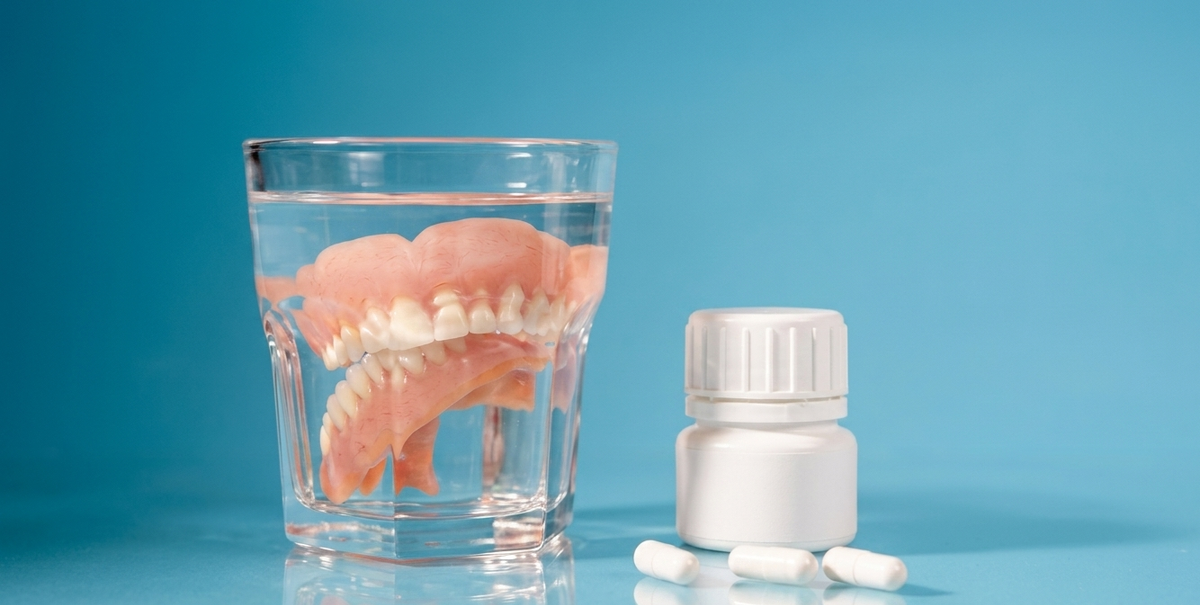
Like with natural teeth, dentures can build-up plaque and bacteria just like natural teeth. Therefore, regularly cleaning your dentures will help prevent staining or bad smells from your dentures. In addition, you can help prevent causing irritation to your gums by cleaning your gums and your tongue on a consistent basis.Some common recommendations for caring for your dentures include:
* Clean your dentures daily
* Rinse your dentures after each use
* Remove your dentures when you are told to
* Clean your gums and tongue on a regular basis
If you are considering options for replacing your current dentures, there are many modern solutions such as full dentures, partial dentures, and implant-retained dentures that can help restore both function and confidence. You can learn more about these options through Local Denture’s dental services if you're exploring treatment possibilities.
Significance of Routine Dental Visits
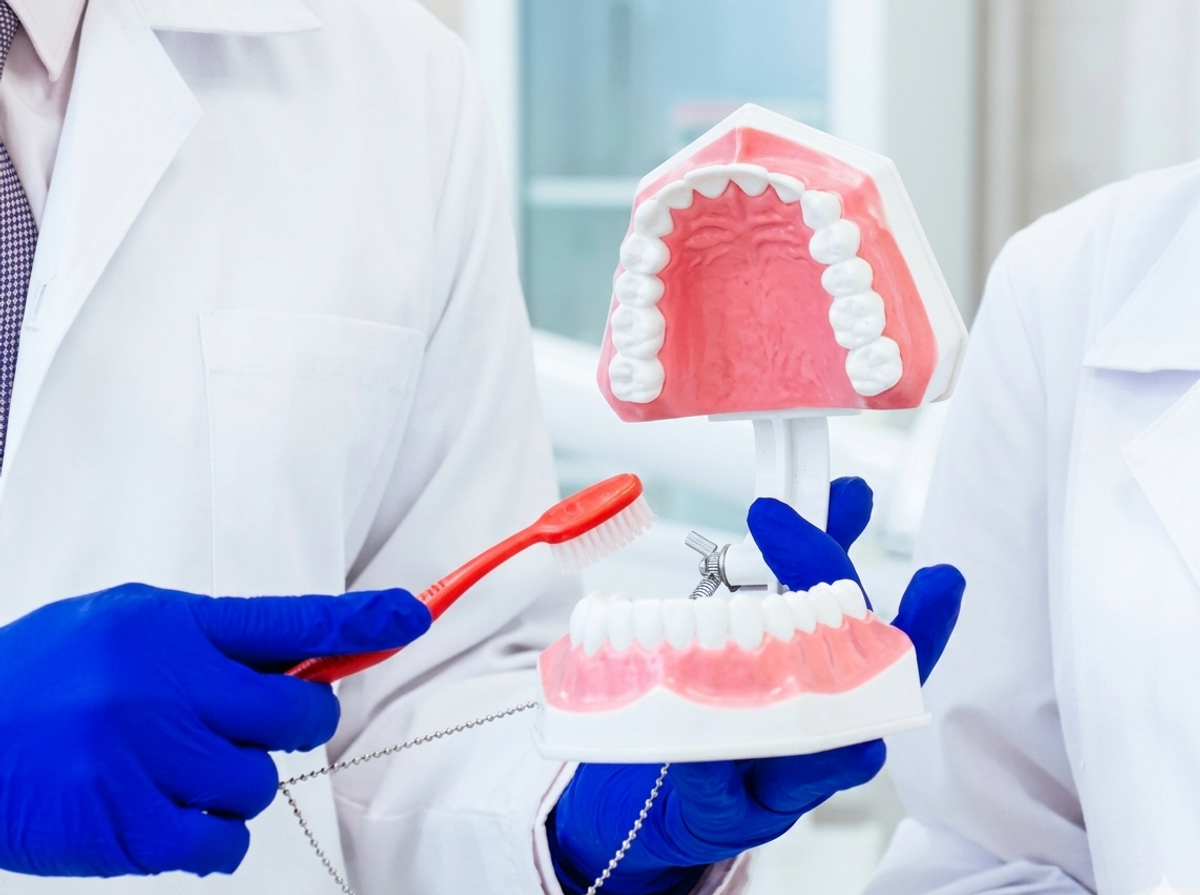
Dental care at home is important, but it does not substitute for dental treatment. Routine dental examinations allow the dentist to check your dental condition, check your teeth and gums, and detect dental problems early before they are symptomatic.In some situations a dentist may recommend dental x-rays to evaluate conditions that cannot be viewed from the mouth alone to allow the dentist to treat dental issues as early as possible.Routine dental visits can also save time, discomfort, and expense for patients long-term.
Signs That My Personal Oral Hygiene Program May Need To Improve
You may want to consider obtaining professional assistance if you:
- Have chronic bad breath
- Have bleeding gums
- Feel sensitivity in your teeth
- Want to reduce your risk of developing cavities
- Your gums are swollen
- Have pain while chewing
- Your dentures do not fit well anymore or they do not feel right.
Identifying the above mentioned signs early in the process can assist with the overall prevention of more serious oral health issues.
Final Thoughts
To have a healthy smile, you need to practice good dental hygiene habits every day. This means practicing everyday oral care, making healthy lifestyle choices and visiting an oral health care provider on a regular basis to keep your mouth and teeth healthy and to help prevent disease. And by investing a few minutes each day on your daily oral care will pay dividends for many years to come, regardless of whether you have natural teeth, dentures or implants. Before attempting to maintain your own dental hygiene or to consider obtaining dentures, it is essential to consult with a licensed dentist to provide you with the best information and regards to your own oral health and the different procedures available for obtaining dentures.
You may also learn about the different professional dental services and types of treatments available to you by visiting the Dental Services page on Local Dentures.